


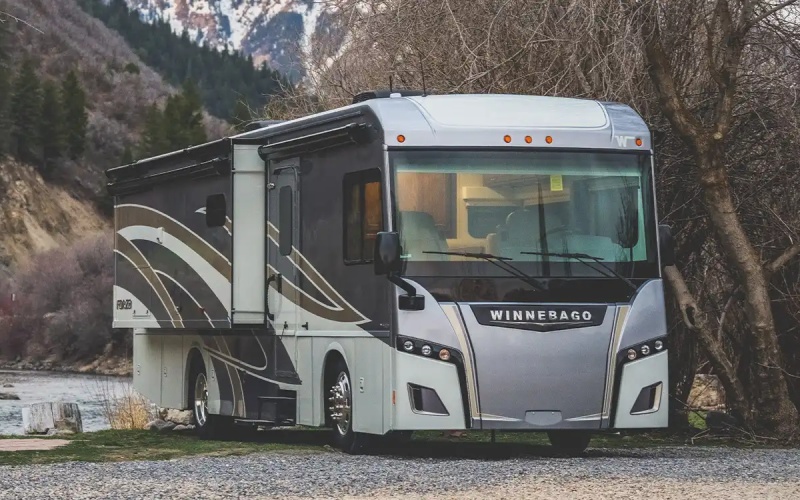
Winnebago Motor Homes - Confident Class A Road Trips around Chicago, IL — Practical Tips for Smooth, Spacious Travel
Class A motor homes shine when your travel plans call for roomy living, steady highway manners, and the ability to unpack once and stay comfortable for days. Around Chicago, IL, that mix is powerful—wide interstates, variable winds along the lakefront, and dense suburbs reward a coach that drives calmly and sets up quickly at camp. This guide focuses on practical steps that make big-coach ownership feel simple from day one.
Driving Confidence Without Drama
Start by setting side mirrors so the coach’s flanks and adjacent lanes are always visible. Calibrate your lane-change timing using side-view cameras, then practice gentle steering inputs at 55 to 65 mph on I-90 or I-294. Maintain longer following distances to account for vehicle weight, and use engine braking where available to reduce heat on service brakes during off-ramps and rolling hills. Plan fuel stops at truck-friendly stations with wide aprons and forward exits, especially during busy commuting hours.
Before any urban detour, confirm bridge and viaduct heights against your coach’s posted measurements. Keep a printed card at the dash with overall height, length, and weight to simplify quick checks. For tight approaches or angled driveways, use a spotter and approach slowly to minimize the chance of hitch or tail drag.
Right-Size Your Floorplan
Pick a length and slide configuration that fit your storage options and usual campgrounds. Couples often favor dual-opposing slides for open lounges, while families appreciate bunks or convertible dinettes. Prioritize pantry volume, walk-around bed access, and bathroom privacy. If you travel with pets, look for durable flooring, low-profile thresholds, and cabinet placement that keeps food and leashes handy near the entry.
Verify that vital controls—battery monitors, tank gauges, and HVAC—are easy to read and reachable from the main walkway. Small ergonomic wins add up when you’re packing, setting up, or settling in after a long drive.
Power, Water, and Climate
Match your electrical setup to the way you camp. If you frequent full-hookup sites, 50-amp service keeps dual A/Cs and galley appliances happy. If you prefer partial hookups or brief off-grid stretches, a larger inverter, efficient battery bank, and appropriately sized solar can reduce generator runtime. On the water side, tank size matters—larger fresh and gray capacities extend shower comfort and dishwashing flexibility between dump-station visits.
Climate control is more than air conditioners and furnaces. Insulation, window treatments, and vent fans play a big role in reducing cycling and noise. When possible, orient the coach to shade the largest window banks during peak sun.
Pre-Trip and Arrival Checklists
Consistent routines reduce stress. Build checklists tailored to your coach and driving routes so everyone onboard knows the plan. A few key items can prevent most surprises.
- Departure walk-around: Confirm slides retracted, jacks up, doors locked, basement latches secured, and utilities stowed cleanly.
- Weights and balance: Keep heavy items low and centered; verify tire pressures and torque lug nuts at recommended intervals.
- Fuel and DEF planning: Note wide-access stations along your route, and avoid last-minute stops near tight urban interchanges.
- Site setup: Chock wheels, level carefully, connect power and water thoughtfully, and confirm polarity and flow before turning on appliances.
- Night-mode routine: Secure awnings, stow loose items, and set climate schedules to manage battery draw and generator etiquette.
A good checklist is a living document—update it after each trip to capture what worked and what needs refining. Keep laminated versions at the driver’s seat and inside a main cabinet.
Maintenance routines pay you back on every mile. Adhere to chassis service intervals for fluids and filters, inspect roof seals seasonally, and keep slide mechanisms clean and lubricated. Stock a simple tool kit—torque wrench, tire gauge, spare fuses, electrical tester—and label isolation valves and breakers. These small habits keep little issues from turning into big detours.
Many shoppers also prefer a partner for the long haul. Winnebago Motor Homes supports you through walk-throughs, maintenance scheduling, and parts guidance so questions get answered before they become urgent.
When you’re mapping regional getaways, consider drive-time realities and campsite options. Suburban campgrounds with pull-through sites simplify arrivals after work. If you plan city outings during your stay, a towed car or rideshare reduces parking stress near popular museums, ballparks, and lakefront attractions. For nature-forward weekends, a Class A’s bigger tanks and storage create flexibility for longer hikes and quieter camps without frequent resupply runs.
You can also streamline trip planning with a few smart tech choices. Use weight-aware routing apps that respect height and hazmat restrictions, and preload offline maps before you leave good cell coverage. Keep essential documents—registration, insurance, roadside assistance—scanned and accessible in cloud storage for quick reference on the road.
Finally, match your travel style to your packing style. If you’re a quick-weekend traveler, pre-pack labeled bins by activity—grill, coffee kit, hiking, rainy-day games—and stage them near the entry for fast loading. For longer tours, spread weight across basement bays and assign zones for tools, spare fluids, and outdoor furniture. The result is a coach that stays tidy and feels relaxing every time you open the door.
Our team is dedicated to serving Chicago, Madison, and Milwaukee with straightforward advice, thoughtful product walk-throughs, and practical ownership coaching that makes the first 500 miles as smooth as the next 5,000. With the right floorplan and a confident setup routine, your Class A turns bustling highways and busy arrival windows into calm, predictable steps toward a comfortable evening in your rolling home.