


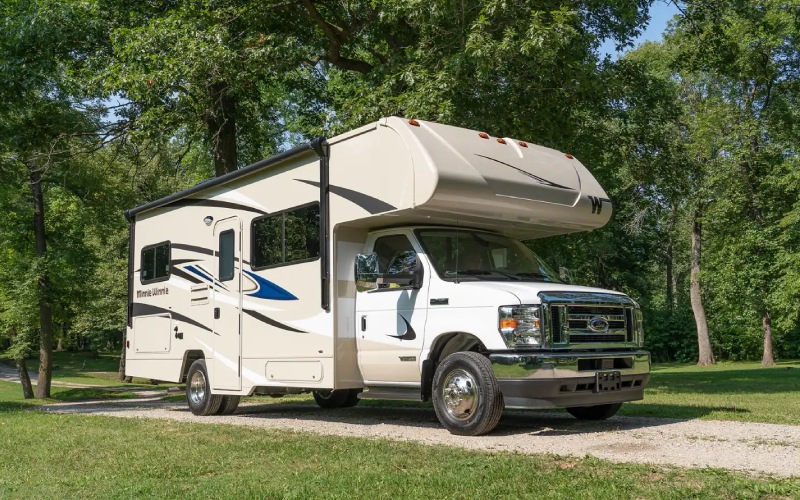
Winnebago Motor Homes - Rockford, IL Guide to Lithium, Solar, and Smarter Off-Grid RV Power
Off-grid camping has become one of the most important topics for RV shoppers who want flexibility without giving up comfort. Around Rockford, IL, that often means preparing for a mix of local drives, interstate travel, state park weekends, river valley campgrounds, and longer routes toward Wisconsin, Michigan, Missouri, or the western national parks. A strong power system helps make those trips easier by supporting lights, refrigeration, water pumps, fans, device charging, entertainment, and select appliances without needing a full-hookup campsite every night. Lithium batteries, solar charging, inverter systems, alternator charging, and smart monitoring all work together, but each part has a specific role. Once owners understand those roles, off-grid camping feels less complicated and more predictable.
Our family-owned dealership has been serving RV travelers since 1967, and our team understands that power questions are rarely one-size-fits-all. A solo van traveler may care most about compact energy storage and laptop charging, while a family in a Class C may want refrigerator reliability, entertainment power, and enough battery support for overnight stops. A Class A owner may think about larger inverters and more household-style convenience. The right answer depends on usage, driving habits, service history, floorplan, storage needs, and comfort expectations. That is why a thoughtful conversation before buying or upgrading can save time and reduce confusion later.
Why Lithium Batteries Changed Off-Grid Camping
Lithium batteries are popular because more of the rated capacity can be used compared with many traditional lead-acid batteries. Lithium systems also maintain steadier voltage, recharge efficiently with compatible equipment, and can reduce weight in certain installations. For RV owners, that often translates into more useful power for everyday items such as lights, fans, outlets, water pumps, and refrigeration. The benefit becomes especially clear during short stops when plugging into shore power is not practical.
However, lithium upgrades should be planned as a complete system. A battery swap without reviewing the converter, charger, solar controller, inverter, alternator charging, wiring, fusing, and monitoring may create performance issues. The battery management system protects the battery, but the surrounding RV electrical system still needs correct settings and safe installation. Owners should also consider battery location, temperature limitations, storage practices, and future service access.
Solar Helps Refill the Battery Bank
Solar panels are useful because solar power can replenish battery energy throughout the day. Roof-mounted panels are convenient because power collection can happen while parked or driving. Portable panels may help when the RV is parked in shade but sun is available nearby. In either case, a solar charge controller regulates power before sending energy to the battery bank. Solar production changes based on panel wattage, shade, roof layout, sun angle, dirt on the panels, and wiring efficiency.
- Battery bank: Stores energy for use when the sun is unavailable or when electrical demand exceeds current solar production.
- Solar panels: Generate charging power during daylight and help extend time away from hookups.
- Charge controller: Manages solar input and protects the battery with the correct charging profile.
- Inverter: Converts DC battery power into AC power for household-style outlets and select appliances.
- Monitor: Shows battery state, charging activity, usage patterns, and remaining capacity estimates.
Solar is most effective when expectations are realistic. It can support longer stays and reduce generator reliance, but heavy loads such as air conditioning, electric heat, and extended microwave use require significant stored energy. For many campers, the best setup combines solar with lithium batteries, alternator charging while driving, and shore power when available. This balanced approach keeps travel flexible without relying on one charging source.
Inverter Size Matters More Than Many Shoppers Expect
An inverter determines which AC-powered items can run from battery energy. A smaller inverter may be perfect for laptops, phone chargers, a television, or modest kitchen use. A larger inverter can support heavier appliances, but only if the battery bank and wiring can handle the load safely. Choosing inverter capacity without considering battery capacity can lead to disappointment because a powerful inverter can drain batteries quickly when high-demand appliances are used.
Owners should make a practical appliance list before choosing an inverter. Coffee makers, microwaves, induction cooktops, hair dryers, and air conditioners all draw more power than many first-time RV owners expect. A well-planned system does not need to run every appliance at once. Instead, smart sequencing and a clear understanding of power draw help campers stay comfortable while preserving battery life.
Rockford-Area Travel and Real-World Power Needs
Rockford, IL is a convenient launch point for a wide range of RV trips. Local owners may head toward Wisconsin lakes, the Driftless Area, Illinois state parks, Lake Michigan communities, or longer routes via I-39, I-90, and US highways. That mix of travel matters because charging opportunities can vary from trip to trip. A campground with hookups is simple, but a rural harvest stop, trailhead, festival parking area, or public-land campsite may require more independence.
Road vibration, storage conditions, and changing travel routines also make service important. Before depending on an off-grid setup, owners should inspect battery connections, roof sealant around solar mounts, inverter operation, charging settings, and monitor accuracy. Our service department includes seven technicians with 76 combined years of experience, two service buildings, and eight service bays. Our parts department can assist with many RV needs and special-order items when a specific component is not available right away.
How to Prepare for a Better Off-Grid Trip
- Start with usage: Write down every electrical item planned for daily use and estimate how long each item will run.
- Check charging options: Review shore power, solar, alternator charging, and any backup generator equipment before leaving.
- Test before travel: Run the refrigerator, lights, outlets, inverter, water pump, and charging system at home or during a short local trip.
- Watch the monitor: Learn normal battery readings, charging rates, and usage patterns before relying on the system remotely.
- Schedule service early: Allow time for inspections, parts ordering, and repairs before a major travel date.
The most successful off-grid campers build habits around conservation and awareness. Turning off unused lights, charging devices during strong solar production, limiting high-draw appliance use, and monitoring battery state can extend a stay without sacrificing comfort. Small choices add up, especially when camping without hookups for several nights.
Frequently Asked Questions:
Can solar panels keep an RV battery charged during storage?
Solar may help maintain batteries during storage if the system is properly configured and the panels receive enough sun. Owners should still follow manufacturer storage guidance and check battery condition regularly.
Is a generator still useful with lithium and solar?
A generator can remain useful as a backup for high-demand loads, extended shade, or long stays with limited charging. Some owners prefer generator-free setups, while others value backup flexibility.
What should be inspected before an off-grid upgrade?
A technician should review battery type, charger compatibility, wiring size, fusing, inverter capacity, solar controller settings, roof condition, and system monitoring before recommending upgrades.
Off-grid power is not just about adding more equipment. It is about building a system that matches how an owner travels, cooks, works, relaxes, and recharges. With the right planning, lithium batteries, solar panels, and inverter technology can make camping quieter, cleaner, and more flexible. Whether comparing inventory, planning a service visit, or preparing a current RV for more independent travel, our team can help guide the next step with practical information and a clear understanding of real RV use.