


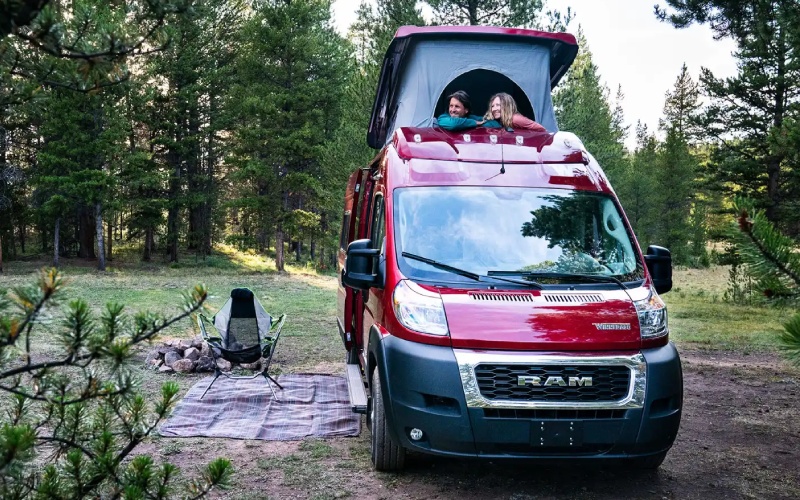
Winnebago Motor Homes - Smart Class B Van Shopping for City Streets and Lake Escapes around Milwaukee, WI
Class B vans are small enough to slip through city traffic yet capable enough to anchor a satisfying weekend away. For drivers who hop from neighborhood errands to lakeshore boardwalks and back again, that combination is the sweet spot. This guide shares practical considerations for Milwaukee urban streets, quick getaways to Kettle Moraine or Door County, and how to evaluate power systems and layouts with your actual travel rhythm in mind.
Why a Class B Fits Urban-to-Lakeshore Life
Built on ProMaster, Transit, or Sprinter chassis, Class B vans steer with car-like precision and fit into spaces that would make a larger coach sweat. That agility matters when threading between parked cars near the Third Ward, rolling through roundabouts, or tucking into a curbside space for a coffee stop. Inside, convertible lounges and efficient galleys make short stays pleasant, while modern insulation and heating options stretch your shoulder-season comfort window.
Power Systems Demystified
Lithium batteries paired with a high-output alternator and a capable inverter are at the heart of quiet, generator-free touring. Ask four questions: battery capacity in amp-hours or kilowatt-hours, inverter wattage, alternator output, and solar input. With those numbers, you can estimate air-conditioner runtime, laptop and induction-cooktop use, and how quickly your drive will recharge the bank. If you plan full-day remote stays, larger lithium capacity pays off; for primarily city-to-camp travel with daily driving, robust alternator charging can shoulder most loads.
Air conditioners optimized for inverter use reduce startup surges and extend battery runtime. Meanwhile, diesel or propane heating paired with smart insulation and window covers helps manage nighttime chill and morning condensation. It is a system—no single component tells the whole story.
Driving and Parking Confidence in Milwaukee
Milwaukee routes mix tight neighborhood streets with breezy lakefront drives. Verify overall height against common garage clearances, and practice low-speed maneuvering and mirror usage before your first downtown day. On expressways, pay attention to crosswinds and truck wakes; modern stability control and appropriate tire pressures help the van track true. For curbside parking, short overhangs and camera-guided backing simplify the final few feet, especially where bike lanes meet tight curbs.
Floorplans That Work
Two front seats with a rear lounge create an airy day space and a quick-convert bed at night. Twin-bed layouts double as daytime benches and allow a quick nap for one person without converting the whole cabin. If you travel with bikes or boards, look for a gear “garage” with L-track tie-downs and under-bed clearance. Wet baths conserve space and tackle the essentials; verify headroom and whether you prefer a cassette or gravity-flush toilet system.
Your Test-Drive and Walkthrough Checklist
- Route variety: Include expressway on-ramps, a tight U-turn, a parallel-park attempt, and a short hill.
- Visibility setup: Adjust mirrors, test the rear camera, and check blind-spot aids at lane-change speeds.
- Noise notes: Listen for squeaks or panel buzz at 55 to 65 mph and request adjustments if needed.
- Power practice: Run lights and HVAC on battery only, then verify alternator charging while idling and driving.
- Systems check: Operate the water pump, tank monitors, shades, and bed conversion fully.
- Real gear fit: Load a bicycle or cooler and confirm tie-down points and door clearance.
- Climate control: Evaluate window coverings, ventilation, and heat distribution at idle.
- Comfort sizing: Lie on the bed, stand in the shower, and cook a simple snack to confirm ergonomics.
Bring your actual kit—helmets, daypacks, and the cooler you already own. Measure, load, and test closure of doors and drawers with gear on board. The right layout will feel obvious when your stuff disappears into its place and the cabin still breathes.
Ownership Simplicity
Follow the chassis maker’s maintenance schedule while booking annual RV system checks for seals, appliances, and battery health. Keep a small log of trips and any rattles or adjustments you want to address; the next service visit is the best time to bundle fixes. For storage, confirm neighborhood restrictions and consider a breathable cover if parking outdoors for extended periods. A basic home electrical outlet with a quality surge protector can maintain batteries during shorter pauses; for longer storage, ask about proper lithium state-of-charge practices.
Frequently Asked Questions:
Is AWD necessary for a Class B in this region?
AWD is a confidence enhancer on rain-slick alleys, gravel launch ramps, and occasional unpaved campground loops. For paved, fair-weather trips, proper tires and careful driving deliver excellent results without AWD.
How long can the air conditioner run on battery power?
That depends on battery size, inverter efficiency, and ambient temperature. Many lithium systems can support meaningful A/C runtime; driving between stops replenishes the bank rapidly with a high-output alternator.
Will a Class B fit regular curbside spaces downtown?
Many vans under roughly 21 feet do, especially with short rear overhangs. Always verify length and be mindful of bike lanes, hydrants, and posted restrictions.
What should I prioritize if I expect frequent short trips?
Emphasize turning radius, visibility aids, quick bed conversion, and a power system that thrives on frequent alternator charging.
When you are ready for hands-on comparisons, bring your route ideas and gear wish list. Our team is comfortable balancing city livability with weekend ambitions and can outline upgrade paths—lithium additions, racks, or suspension tweaks—as your travel style evolves. Winnebago Motor Homes is serving Madison, Milwaukee, and Rockford, and our approach centers on practical, real-world coaching that helps you feel confident from the first errand to the first campsite.
Your van should feel easy on a Tuesday grocery run and even easier on a Saturday departure. With a thoughtful test drive, a clear power plan, and a floorplan that matches your habits, the right Class B becomes part of daily life rather than a once-a-year indulgence. Our team can help you map that path and suggest smart accessories that deliver value without overcomplicating ownership.
If you want a calm, methodical walkthrough—power systems demystified, sleeping comfort verified, and storage proven with your own gear—schedule a visit. You will leave with a checklist, a route plan, and clear next steps that make your first road day feel as simple as backing out of your driveway.