

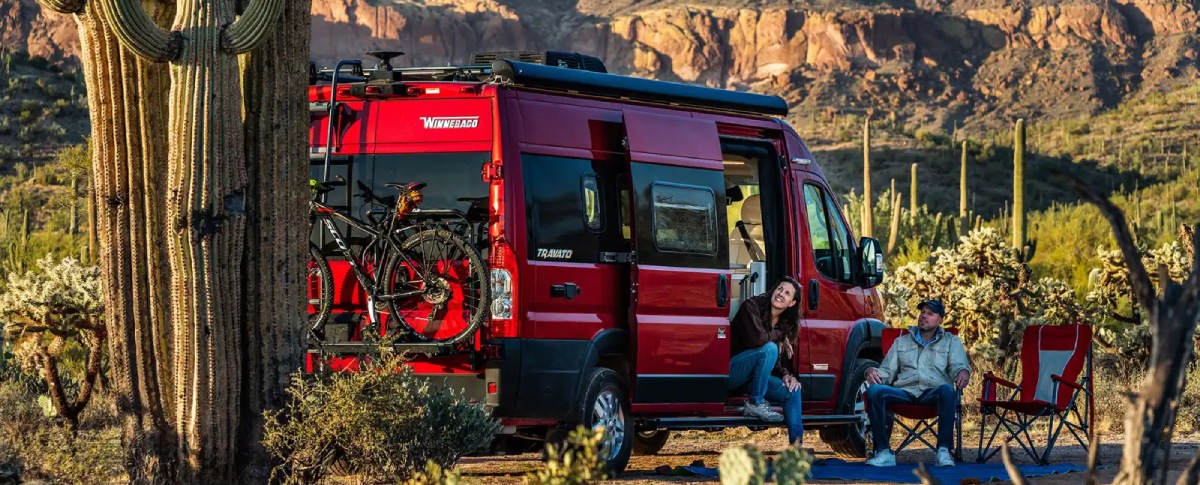
Class B Motor Homes | A Practical Overview for Travel near Chicago, IL
Class B motor homes, commonly called camper vans, deliver big-journey capability in a compact footprint that thrives on city streets and tight campground loops. Built on van chassis such as RAM ProMaster, Ford Transit, and Mercedes-Benz Sprinter, these RVs typically measure 17 to 22 feet long, fit into many standard parking spaces, and maneuver confidently through neighborhood traffic, toll plazas, and lakeshore avenues. Inside, you will find cleverly engineered living zones: convertible lounges, galley kitchens with compressor refrigerators, flexible storage, and wet baths that conserve space while keeping essentials on board. For drivers navigating high-rises and alleyways near Chicago, IL, that car-like handling pays off on every errand and every departure day. Modern Class B vans increasingly favor lithium power systems with solar augmentation, eliminating or reducing generator use and enabling quiet hours at camp. All-wheel drive or enhanced traction options expand trip windows on rain-slick streets and gravel access roads. Thoughtful insulation, heated tanks, and efficient hydronic or Truma-style heating systems can make shoulder seasons more comfortable. While a Class B’s compact size limits interior volume versus Class C models, the payoff is versatility: easy day trips, simple overnighting on friends’ driveways where allowed, and stress-reduced cross-town drives to your favorite trailhead or marina. For many shoppers, a Class B becomes both a weekend cabin and a weekday errand runner—an RV you will actually use.
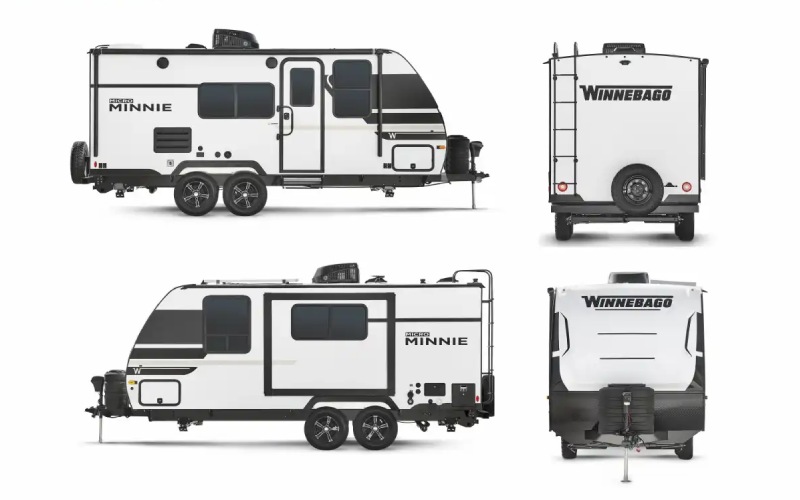
How to Choose the Right Class B Van for Chicagoland Driving and Weekend Escapes
- Chassis and drive: Compare ProMaster, Transit, and Sprinter for turning radius, highway manners, available AWD, and service access.
- Length and height: Verify overall height for garages, underpasses, and city parking structures; shorter vans park more easily curbside.
- Seatbelts and sleeping: Count belted positions and confirm real-world bed dimensions and setup speed.
- Power system: Understand lithium capacity, inverter wattage, alternator charging, solar input, and any available generator.
- Climate comfort: Ask about insulation, window coverings, tank heating, and heating/cooling efficiency.
- Water and bath: Review fresh/gray capacities, cassette vs. standard toilet, and shower practicality.
- Storage and payload: Check garage space for bikes or boards, roof rack options, and cargo ratings.
- Cooking preferences: Evaluate induction vs. propane, ventilation, and counter space.
- Service and support: Consider dealership expertise, parts availability, and warranty coordination.
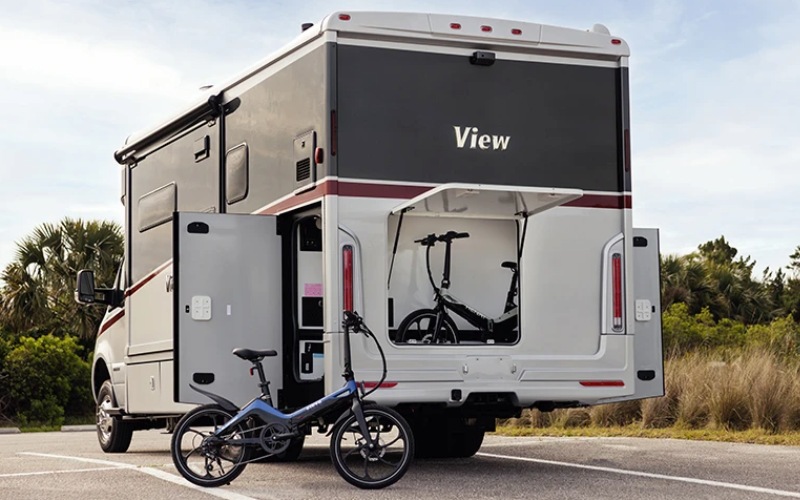
Bring your real itinerary to the selection process. If a normal outing is a three-hour hop to Starved Rock or a loop along Lake Shore Drive with a quick grocery stop en route, prioritize turning radius, visibility, and parking convenience. If you plan extended boondocking, focus on lithium capacity, solar, and alternator charge rates. Families should confirm safe seating and child-seat compatibility. Cyclists and paddlers should measure the gear garage, tie-downs, and rack options. Finally, test fit—sit on every seat, try the bed, stand in the shower, and verify that the layout supports your daily rhythm.
Why Many Chicagoland Shoppers Choose a Class B — And How Our Team Helps
Class B vans excel at blending daily-drivable ease with honest camping capability. The compact size reduces stress on narrow one-way streets, frontage roads, and crowded trailhead lots while opening campsites that larger rigs might skip. That blend of agility and comfort is why shoppers often start with a Class C search and end up delighted by the practicality of a van. At Winnebago Motor Homes, our team listens first—then matches layouts and power systems to your routes, parking needs, and crew size. Family owned since 1967, our Rockford operation has earned the Winnebago Flying W Dealer Excellence Award year after year, a reflection of consistent care from walkthrough to after-sale support. We maintain two service buildings with eight bays and staff seven certified technicians with 76 combined years of experience, so routine maintenance and upgrades are straightforward. Our parts department stocks travel essentials from tow bars to satellites and can special order hard-to-find components. We also make financing simple through a network of respected lenders, and we offer consignment when plans change. Many guests make the quick drive from Madison and Milwaukee, and plenty plan their first shakedown loop from our store to favorite lakefront campgrounds or forest preserves. If your search is centered near Chicago, IL, our location simplifies pickups, service visits, and weekend departures.
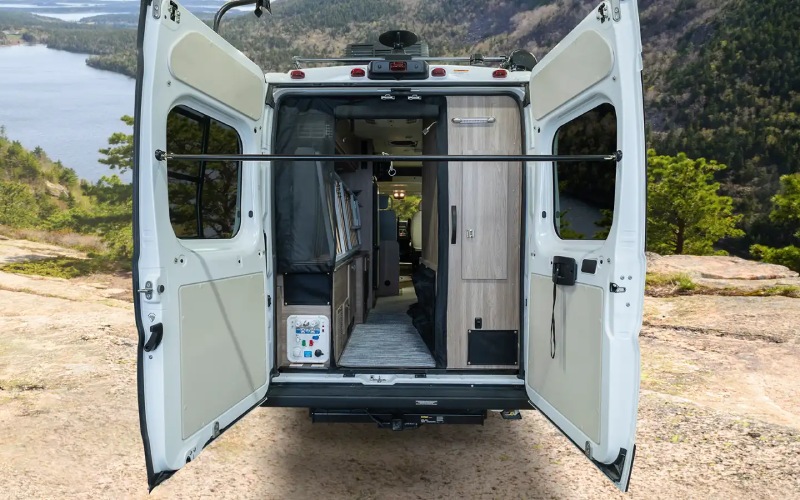
Your Test-Drive and Walkthrough Game Plan — From City Blocks to Campsites
- Start with familiarity: Drive a route that includes expressway merges, a tight U-turn, parallel parking practice, and neighborhood speed bumps.
- Confirm visibility: Adjust mirrors, test the rearview camera, and note blind-spot coverage at lane-change speeds.
- Power check: Run the HVAC and lights on battery only; toggle the inverter; verify alternator charging on the move.
- Noisewatch: Listen for rattles, panel buzz, and wind noise at 55 to 65 mph, then note any items our team can adjust.
- Systems demo: Operate the wet bath, water pump, and tank monitors; practice stowing the bed and setting window shades.
- Docking practice: Simulate a curbside stop and a back-in maneuver using the camera and mirrors.
- Real gear fit: Load a bicycle, cooler, or skis to validate storage, tie-downs, and weight balance.
- Charging plan: Discuss shore-power connections at area campgrounds and verify cord and adapter fit.
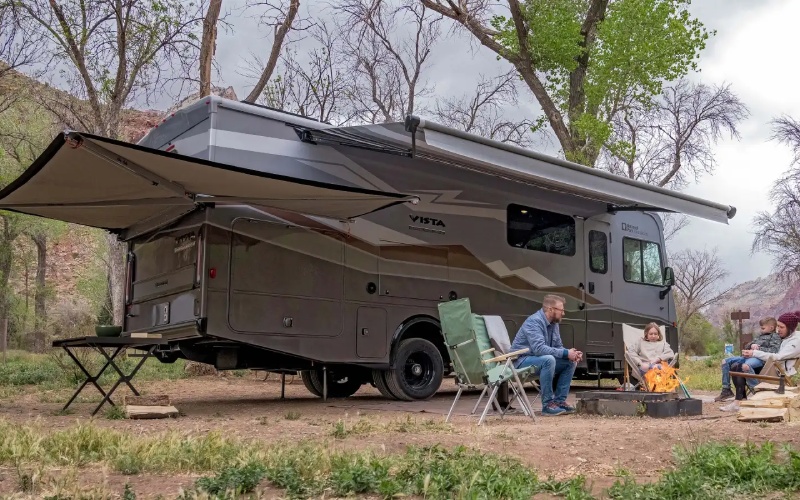
Before you visit, list three daily scenarios: a grocery run, a two-hour museum day with curbside parking, and a weekend at a nearby state park. During the walkthrough, test each scenario. Fit child seats, verify that everyone has a proper shoulder belt, and simulate a quick lunch stop using the galley. Ask about toll transponders and windshield real estate to keep devices within camera sightlines. If you anticipate year-round trips, compare insulation details and tank protection to keep your plans stress free during chilly shoulder seasons.
FAQ — Class B Motor Homes for Chicagoland Travelers
What distinguishes a Class B from a Class C?
A Class B is built within the original van body, which improves maneuverability and parking ease. A Class C expands living space with a wider box and cabover bed, adding room but requiring more care in tight urban areas and older campground loops.
Can a Class B fit into typical city parking spaces?
Many can. Lengths under about 21 feet often fit standard curbside spaces. Always confirm height for garages and be mindful of overhangs, tree branches, and tight pillars.
How quiet are modern lithium-powered vans at camp?
When lithium batteries and inverters power the coach, operation is nearly silent, and air conditioners designed for inverter use can run without a generator for meaningful stretches, depending on battery size and recharging.
Do I need AWD?
AWD improves traction on wet grass, gravel, and slick access roads. For primarily paved travel, proper tires and driver technique go a long way; AWD is a confidence booster, not a requirement for every itinerary.
How often should a Class B be serviced?
Follow the chassis manufacturer’s intervals for oil, filters, and brakes, and schedule annual RV system checks for seals, appliances, and batteries. Our service team makes a consolidated plan so visits are efficient.
Ready to Go Van-Sized? Visit Our Rockford Showroom and Get Rolling
Winning with a Class B is about choosing the floorplan and power system that suit the way you travel—city blocks first, camp roads second. Our walkthroughs focus on your routes, height constraints, and how quickly you want to set up and relax. Expect straightforward guidance, hands-on demos, and tech coaching from a team that outfits vans for everything from lakefront picnics to long-haul road trips. Our parts department keeps essentials on hand and can special order upgrades, while our seven certified technicians handle maintenance and warranty work in two buildings with eight bays. We also provide transparent financing support through trusted lenders and can assist with consignment if plans change. If your search is centered near Chicago, IL, plan an easy day trip to Rockford—park, test drive, and compare layouts without big-city stress. At Winnebago Motor Homes, we aim to make your first mile as calm as your thousandth, with a coach that fits your driveway, your parking habits, and your weekend ambitions. Bring your gear, bring your questions, and bring your map. We will help you shape a Class B plan that works on Tuesday downtown and Saturday at the trailhead.