


Winnebago RVs Floor Plan Options and Details near Milwaukee, WI
Floor plans shape how every mile feels—how you sleep, store gear, cook, and relax—so choosing the right Winnebago layout is the key to confident travel across southeastern Wisconsin. From compact van conversions that slide easily into tight lakefront parking to family-ready Class C bunkhouses and residential-feel Class A coaches, each configuration balances space, weight, and utility in different ways. As Winnebago Motor Homes, family-owned since 1967 and recognized year after year with the Winnebago Flying W Dealer Excellence Award, we guide guests through dimensions, tank capacities, slide mechanisms, and seating arrangements so the coach fits both driveway and day-to-day plans. Think through your balance of fixed vs. convertible beds, mid- vs. rear-bath convenience, galley length, and pantry volume, plus where pets, kids, and bulky gear will ride. Pay attention to wheelbase and turning radius for confidence in city traffic, and to CCC (cargo carrying capacity) for realistic packing. Electrical systems matter, too: lithium-based packages, inverter capacity, alternator output, and solar readiness influence how quietly and comfortably you camp without hookups. Finally, visualize your routes—urban errand loops, Chain O’ Lakes weekends, or long I-94 runs—and match them to lounge flexibility and storage access. With thoughtful evaluation, the right Winnebago floor plan turns Wisconsin drives into effortless routines and road-trip days into comfortable, repeatable rhythms.
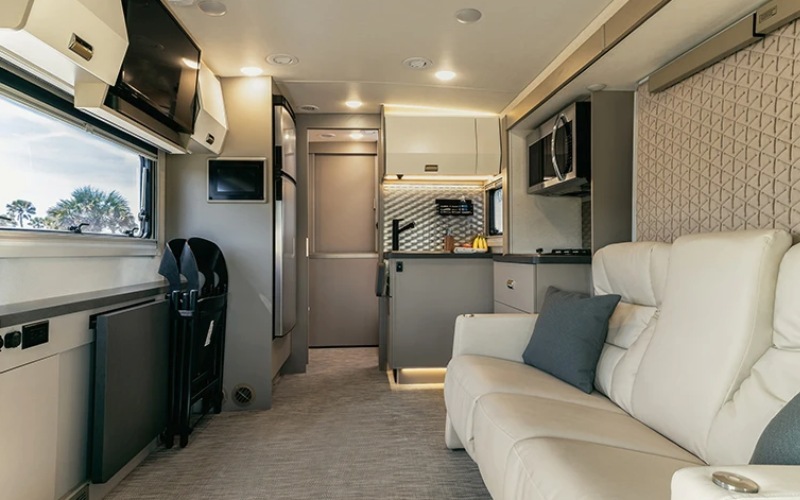
How to Choose a Winnebago Floor Plan for Wisconsin Roads
- Travel style: Weekend hops, multi-week loops, or remote boondocking define space and power needs.
- Drive feel: Wheelbase, turning radius, and overall height affect parking garages and windy lakefront roads.
- Sleeping strategy: Fixed queen, twins, Murphy bed, bunks, or convertible lounges shape daily setup time.
- Bath format: Rear bath, mid bath, dry or wet bath influences privacy and storage.
- Power system: Generator vs. lithium, solar prep, and alternator output determine quiet-camping comfort.
- Seating and safety: Belted positions, headrests, and child-seat compatibility matter for families.
- Storage priorities: Pass-throughs, gear garages, exterior compartments, and pantry capacity protect livability.
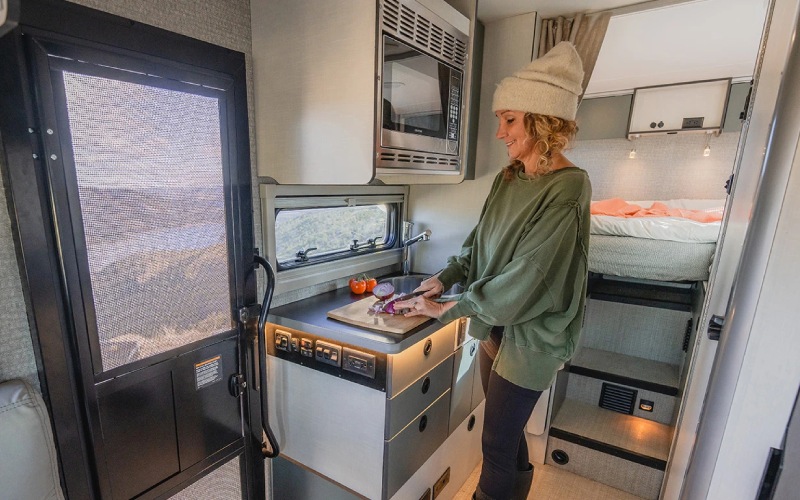
Start with the driveway and daily life, then work outward. A compact B-van can be a second vehicle, fitting parking around the lakefront or quick grocery runs after work; a C with a slide-out may deliver the widest lounge for game nights; a diesel A can stabilize long freeway days with abundant storage. If you track miles on I-43 and county roads near Milwaukee, WI, measure coach length against the places you actually go—farm stands, campground loops, concert venues, and your home street’s curb space. Inside, try every seating position; make the bed; stand in the shower; stow the folding chairs. Assess galley flow—fridge swing, counter landing zones, and trash placement—because small efficiencies pay back every trip. Then map electrical usage: how often you’ll run air conditioning, CPAP machines, induction cooktops, or e-bike chargers. When the checklist matches your habits, the right Winnebago floor plan will be obvious on paper—and even more convincing on your first test drive.
Class A, B, and C Layout Highlights—From Urban Errands to Door County Loops
Class B vans turn city errands into easy days. Winnebago’s twin-bed layouts create a comfortable lounge by day and separate sleeping at night, a great fit for couples who value aisle access; Murphy-bed B-vans open generous floorspace for cooking or yoga; family-focused pop-top models add two more berths without extending the body length. For trailhead-to-table trips, a gear-garage rear with raised bed swallows bikes and totes while keeping soft goods clean in forward compartments. Class C coaches step up living volume: split baths or mid-baths boost flow, while U-dinettes and theater seating anchor movie nights. Bunkhouse Cs keep sibling squabbles minimal with separate sleeping zones and can still back into state park sites predictably. Diesel C layouts add tall overhead cabinets and a quieter cab for long drives to Chicago without fatigue. Class A plans deliver residential space—washer/dryer preps, king beds, and wide galleys—ideal for multi-week travel. Across classes, look for smart basement storage, ducted HVAC, and slide-room insulation details that tame lake-effect breezes. As Winnebago Motor Homes, we pair each layout with practical ownership insights—service access to major appliances, component locations behind panels, and how suspension upgrades or sway bars change on-road confidence—so your choice is informed by both comfort and upkeep.
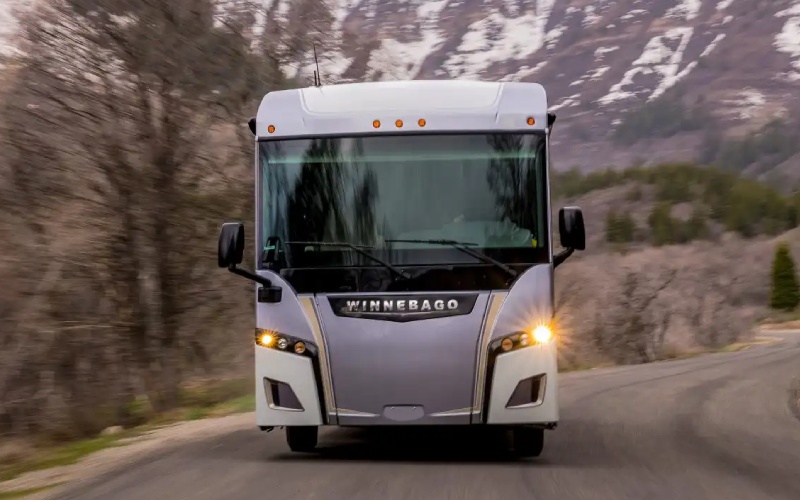
Smart Space Features That Matter Day to Day
- Murphy+ Bed: Frees daytime floorspace for cooking, work, or stretching, then drops into a true mattress at night.
- Slide-outs: Expands lounges or bedrooms—inspect seals, mechanisms, and weight distribution on each plan.
- Galley ergonomics: Counter extension, fridge orientation, and pantry volume streamline real cooking.
- Bathroom layouts: Rear baths feel roomier; split baths allow dual use; wet baths save space in B-vans.
- Convertible lounges: Dinette-to-bed systems add sleeping capacity without extra length.
- Cold-weather details: Heated tanks, insulated bays, and routed ducting improve shoulder-season comfort.
- Tech readiness: Solar prep, inverter size, and app-based coach controls simplify off-grid days.

Lift cushions, open every cabinet, and step through the whole routine—morning coffee, quick rinse, gear loading—to see how a layout behaves in motion. If your routes include tight trailhead lots or popular lakeshore pull-offs near Milwaukee, WI, measure how much space you can reclaim by flipping up a bed or using a swivel lounge. Prioritize wide walkway width at night so sleepers can reach the bath without climbing over each other. Consider where pet crates, helmets, and sandy shoes will live—dedicated garage cubbies tame clutter. Our parts team maintains stock for practical add-ons that complement floor plans, including tow bars for dinghy vehicles, bike carriers that clear rear doors, and satellite options that avoid re-routing roof hardware. The right mix of storage, comfort, and tech transforms your coach from a clever showroom puzzle into a stress-free daily driver and weekend home.
FAQ: Winnebago RV Floor Plans and Ownership Details
Which Winnebago class is easiest to park in tight city spots?
Class B vans are shortest and lowest, slipping into standard spaces and parking ramps where permitted; look for floor plans with Murphy beds or twin conversions to keep a usable aisle while preserving compact length.
How do I compare sleeping options for families?
Start with belted seating count and child-seat locations, then match to sleeping: bunks or overhead cab beds in Class C, twin-to-king conversions in vans, and king beds or sofa sleepers in Class A when grandparents visit.
What should I check in a slide-out layout?
Inspect seal integrity, weight distribution, and access with slides retracted—ensure you can reach the fridge and bath during fuel stops or at a curbside lunch.
Can I customize storage for bikes or paddle gear?
Yes—look for rear-garage plans or pass-through compartments; our team can pair racks and protective liners so wet gear stays isolated from living spaces.
Where can I get service support after I choose a layout?
Our Rockford service department features Winnebago-certified technicians, two buildings with eight bays, and a deep parts lineup to keep maintenance straightforward for the life of your coach.
Who helps match my travel style to a specific plan?
Our specialists at Winnebago Motor Homes map your routes, parking constraints, and packing habits to floor plans and power packages that truly fit how you travel.
Plan Your Walk-Through and Find Your Ideal Layout
A confident floor plan choice comes from hands-on time—sit, swivel, recline, convert, and walk the coach exactly as you live. Bring your tallest family member, a week’s worth of bins, and that awkward folding chair to confirm the spaces that matter. We recommend a measured test drive that includes lane changes, freeway merges, and a few stop-and-go stretches to judge visibility and turning room. Ask for a lights-out demo to see nighttime pathways from bed to bath and whether step lights, motion sensors, and blackout shades support real sleep. Our family has helped travelers since 1967, and that experience shows in the way we prep coaches, explain systems plainly, and share maintenance expectations up front. Behind the scenes, seven Winnebago-certified technicians—working in two buildings with eight service bays—stand ready to maintain slide mechanisms, sealant lines, and electrical systems, while our parts team sources accessories that complement storage and lounge zones. When the layout clicks, the rest of the trip planning gets easier. Set up a walk-through, bring your checklists, and let our team translate measurements and spec sheets into everyday comfort on the road. You will leave understanding how your Winnebago’s space works—on travel days, at camp, and everywhere in between.